Article Developed By-Harboe Tarp
If you are considering options for boosting your vision, the procedure of lens replacement can be a transformative choice. This technique, also identified as lens exchange, provides a solution for a number of vision problems, including nearsightedness, farsightedness, and presbyopia. As more individuals seek substitutes to traditional eyeglasses or contacts, grasping what lens replacement surgery involves is essential to making an aware decision.
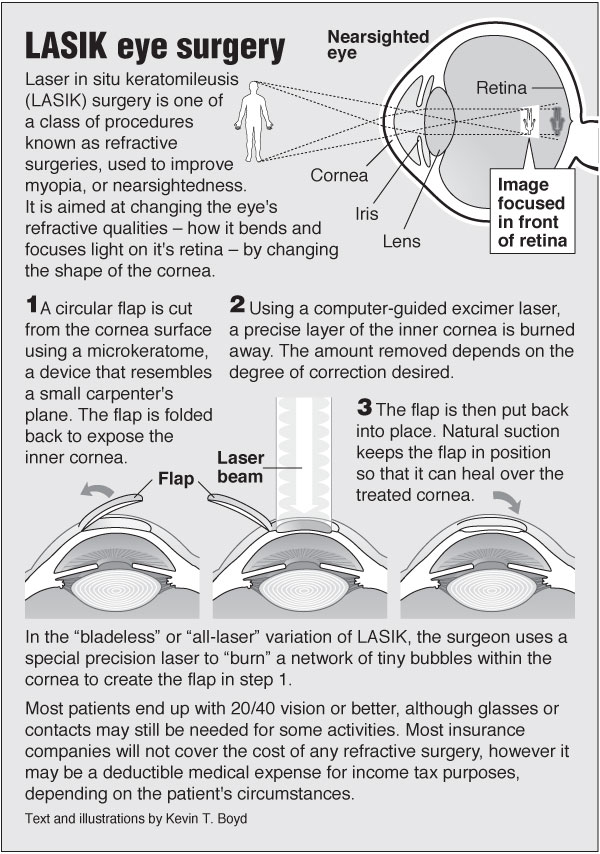
In this comprehensive guide, we will discuss the advantages, risks, and post-operative care associated with lens replacement surgery. We will also examine how it compares to LASIK, determine suitable patients, and provide insights on costs and financing options. Whether you are dealing with a high prescription or simply want to reduce your dependence on glasses and contacts, this article will guide you understand the important factors when thinking about this eye surgery.
Comprehending Refractive Lens Exchange
Refractive lens exchange, commonly referred to as lens replacement surgery, constitutes a surgical procedure designed to substitute the eye's original lens with an artificial one. This treatment is often recommended for patients dealing with visual impairments that are not fixable with traditional glasses or contact lenses. The procedure is particularly beneficial for those with farsightedness, severe refractive errors, or conditions such as cataracts. By resolving these sight difficulties, lens replacement surgery can deliver a more enduring solution compared to traditional methods.
During the procedure, the surgeon extracts the existing lens and swaps it with a custom lens implant adapted to the patient's individual sight requirements. Various categories of lens implants are available, including accommodating lenses and long-range focus lenses, which can boost both short-range and far vision. Those undergoing the surgery often report marked improvements in their general vision quality, lowering their need for glasses or contact lenses. The decision of lens implant can hinge on personal visual requirements and personal choices.
Recovery from lens replacement surgery typically varies according to the category of lens used and the individual's overall health. Many people observe an improvement in their vision quickly following the procedure, although entire recovery may take some weeks. During this period, it's crucial for individuals to adhere to their surgeon's post-operative care instructions to ensure maximum healing and deal with any possible complications. Grasping these factors can aid individuals in making educated choices about whether lens replacement surgery is the right choice for their vision correction needs.
Advantages and Drawbacks of Custom Lens Replacement
Custom lens replacement surgery offers several advantages for individuals seeking to improve their vision. One of the primary benefits is the potential for long-term vision correction, allowing patients to reduce or eliminate their dependence on spectacles or contacts. With innovations in lens technology, options such as adjustable lens implants and increased depth of focus lenses can provide clear vision at different distances. Additionally, this surgery can successfully address a variety of vision issues, including age-related vision decline and significant refractive error, making it a flexible solution for many patients.
However, like any surgical procedure, custom lens replacement carries inherent dangers. Possible complications can include infection, hemorrhaging, or dissatisfaction with visual outcomes, necessitating further interventions. Some patients may also experience temporary side effects, such as glare or rings around lights, particularly in the initial recovery phase. It is crucial for patients to have thorough consultations with their surgeons to discuss these risks and manage expectations effectively.
Healing after custom lens replacement surgery is generally rapid, but it can differ among individuals. First healing may occur within a few days, while full recovery can take multiple weeks. Patients may need to follow particular post-operative care instructions to improve healing and reduce complications. Understanding both the advantages and disadvantages is crucial for anyone considering this surgery, ensuring they make an informed choice about their vision correction options.
Candidacy and Consultation Procedure
Establishing eligibility for lens replacement surgery starts with a detailed eye examination by an experienced lens replacement surgeon. This first assessment examines your general eye health, refractive error, and the presence of any conditions that may impact surgery, like cataracts or corneal problems. Understanding your vision goals is essential, as lens replacement can treat various refractive errors, including high nearsightedness, astigmatism, and presbyopia.
Once you are assessed, the surgeon will talk about potential treatment options tailored specifically to your needs. This involves exploring premium lens replacement options, such as adaptive lens implants or extended depth of focus lenses. The consultation process also entails talking about your lifestyle, visual demands, and any concerns you may have regarding the procedure, recovery time, and costs. This dialogue makes certain that you make an knowledgeable decision about whether lens replacement surgery is the right choice for you.
It is vital to approach the consultation with a set of questions and expectations. Your surgeon should offer clear answers about the custom lens replacement procedure steps, such as what to expect during and after surgery. Open communication about your candidacy, risks, and the estimated recovery timeline will help you feel confident in your decision. Setting attainable expectations for your vision correction outcomes will ultimately lead to increased satisfaction with your results.
Pricing and Payment Choices for Lens Replacement
The price of lens replacement procedures can differ significantly based on multiple elements, including the type of lens utilized, the complexity of the operation, and the expertise of the surgeon. On https://www.abc.net.au/news/science/2019-08-17/laser-eye-surgery-explained/11399794 , patients can expect to pay from three thousand to $5,000 USD per sight. High-end lens options, such as adjustable lenses or extended depth of focus lenses, may increase the overall price but can provide enhanced visual outcomes for particular needs.
Payment choices are often available to help manage the price of lens replacement procedures. Visit Web Page provide payment plans that allow patients to pay for their procedure across time, sometimes without interest. Additionally, using Health Savings Accounts (HSA) or Flexible Spending Accounts (FSA) can provide tax benefits and make the surgery more affordable. It is crucial to discuss these options during the meeting process to locate the most suitable financial arrangement for your situation.
Health insurance coverage for lens replacement procedures varies among companies and plans. While certain insurers may cover portions of the surgery if it is deemed health necessary, alternative may classify it as elective operation, restricting coverage. It is crucial to review your health coverage plan and consult with your insurer to understand your specific benefits. Knowing the financial aspects and exploring payment options can help make lens replacement procedures a feasible choice for those desiring permanent vision correction.