Writer-Moesgaard Barbee
If you're taking into consideration vision adjustment, you may be considering the pros and cons of PRK. This procedure uses distinct benefits, specifically for those with distinct eye conditions. It's important to recognize how PRK works and what you can reasonably anticipate from the outcomes. Suppose this choice could result in more clear vision without the risks connected with various other approaches? Let's discover the benefits and see if PRK is the best fit for you.
Recognizing PRK: Just How It Works and What to Expect
When you consider PRK (Photorefractive Keratectomy) as a vision improvement option, it's essential to understand just how the procedure works and what you can expect during the procedure.
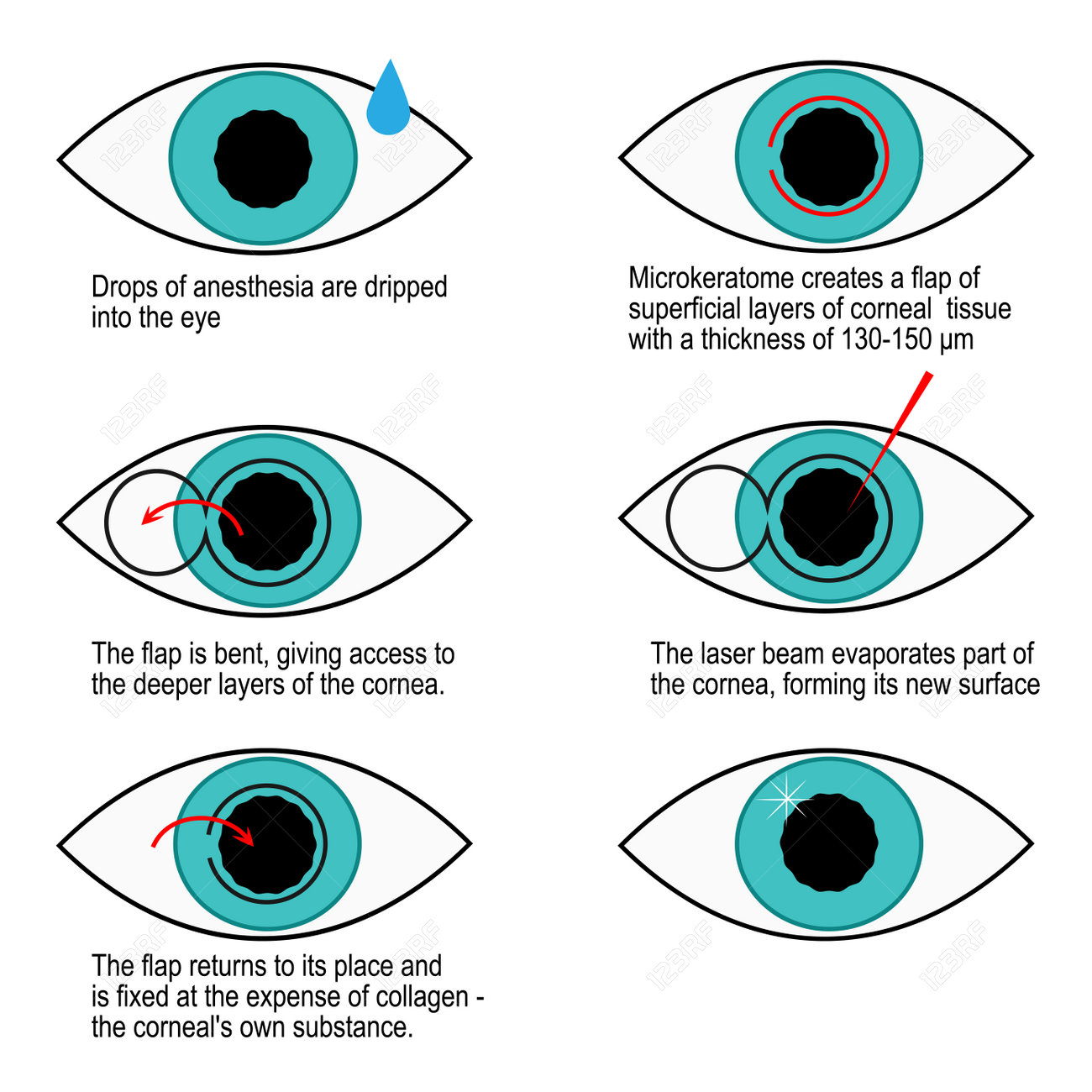
PRK reshapes your cornea using a laser to improve emphasis, similar to LASIK however without creating a flap. First, your surgeon will certainly numb your eye and remove the external layer of corneal cells, allowing the laser to do its job. You'll really feel marginal discomfort, and the procedure commonly lasts around 10 minutes per eye.
Afterward, you'll wear a safety contact lens while your eye heals. Expect some pain and fuzzy vision in the initial days, however a lot of clients see significant renovations within a week.
Following your doctor's aftercare instructions is critical for ideal healing.
Benefits of PRK: Why It Might Be the Right Option for You
If you're looking for a dependable vision improvement alternative, PRK offers several compelling benefits that might make it the appropriate choice for you.
One significant benefit is that PRK is suitable for those with thinner corneas, as it doesn't include reducing a flap like LASIK. This suggests less threat of difficulties associated with flap-related concerns.
PRK additionally deals with a broader range of vision issues, consisting of greater levels of nearsightedness and astigmatism.
You'll appreciate that the procedure has a proven performance history for safety and effectiveness, with several clients achieving 20/25 vision or much better.
Plus, since PRK eliminates the outer layer of the cornea, it can bring about an extra stable long-term outcome, minimizing the possibilities of regression.
Recuperation and Long-Term Outcomes: What to Prepare for After the Procedure
After thinking about the countless advantages of PRK, it is very important to recognize what recuperation appears like and what you can anticipate in the long-term.
At first, your vision may be blurred, and you may experience discomfort or level of sensitivity to light. This usually boosts within a couple of days. You'll need to avoid arduous activities and put on safety glasses throughout the recovery procedure.
In the weeks adhering to the treatment, your vision will gradually support, frequently reaching its best quality around three to six months post-surgery. Routine exams with your optometrist will certainly aid monitor your progress.
The majority of clients enjoy resilient outcomes, with many achieving 20/25 vision or better. Remember that individual experiences may differ, yet the majority of find PRK worth the delay.
Verdict
In conclusion, PRK uses a trustworthy option for vision adjustment, especially if you have thinner corneas or greater nearsightedness. With https://www.optometrytimes.com/view/when-times-aren-t-20-happy- tried and tested safety and security and performance, many clients attain amazing outcomes. While who qualifies for SMILE 'll experience some discomfort throughout recovery, the long-lasting advantages and boosted vision top quality can make it a beneficial investment. If you're considering your alternatives, PRK could be the appropriate selection for you, paving the way for clearer view and a brighter future.